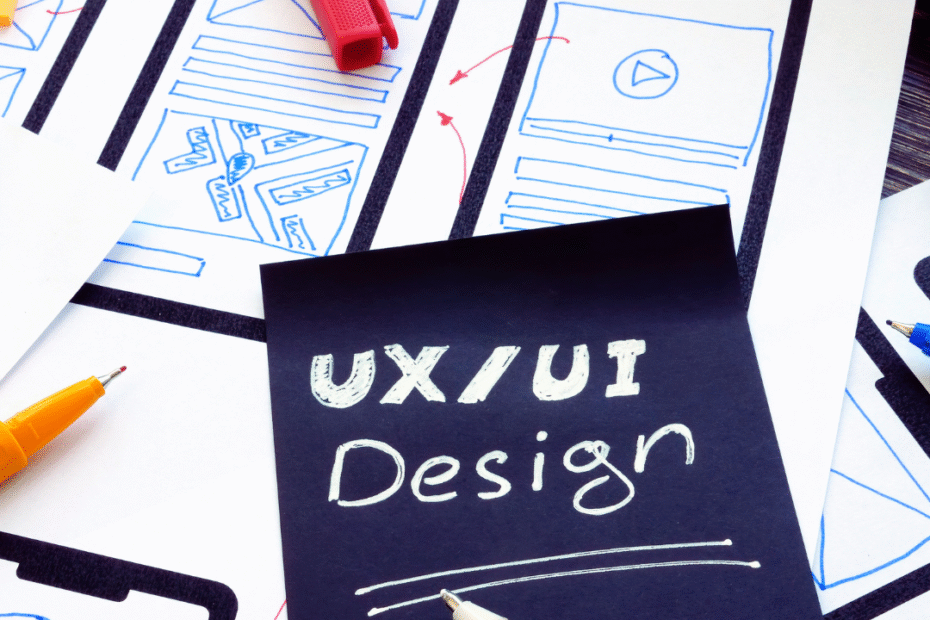
In the fast-evolving field of UX design, having the right tools is essential for success. The most effective UX designers leverage a combination of research, design, prototyping, and collaboration tools to enhance user experience and streamline their workflows. These tools not only help in creating intuitive interfaces but also aid in understanding user needs and testing designs effectively.
With numerous options available, selecting the right tools can significantly impact the design process. From user research platforms that gather valuable insights to design software that brings ideas to life, each tool plays a crucial role. As UX designers navigate their projects, being equipped with the best tools allows them to optimise their creativity and efficiency.
Understanding which tools to utilise can transform the way designers approach their work. Exploring the must-have resources for UX design will provide valuable insights into how to elevate user experience while effectively managing time and collaboration.
Understanding User Experience Design
User experience design focuses on creating digital experiences that are intuitive and user-friendly. It encompasses various methodologies and practices that guide UX designers in understanding and improving user interactions.
Fundamentals of UX Design Process
The UX design process involves several stages, including research, ideation, prototyping, and testing. Each stage plays a crucial role in shaping the final product.
- Research: This initial phase identifies user needs through methods like surveys and interviews.
- Ideation: Designers brainstorm ideas based on insights gained from research.
- Prototyping: Creating low-fidelity or high-fidelity prototypes helps visualise concepts and identify potential issues.
- Testing: Usability testing with real users provides invaluable feedback. It helps refine the design and improve user satisfaction.
A structured approach allows UX designers to systematically address user behaviours and preferences, ensuring the end product aligns with actual user needs.
Importance of User Research
User research underpins effective UX design by providing insights into user behaviours and motivations. It informs key design decisions and minimises risks associated with assumptions.
- Gathering Insights: Techniques like interviews, focus groups, and usability tests gather qualitative and quantitative data.
- Identifying Pain Points: Understanding user challenges helps designers create solutions that address specific issues.
- Enhancing User Engagement: Tailored experiences increase user satisfaction and loyalty.
Investing in comprehensive user research is essential. It empowers UX designers to develop digital experiences that resonate with users, leading to greater success in the marketplace.
Key UX Design Tools and Software
UX design professionals rely on various tools and software to facilitate their work. These tools support the design and prototyping processes, enhance collaboration, and provide avenues for user testing and analytics.
Design and Prototyping Tools
Figma stands out as a leading tool for UX design due to its collaborative capabilities and versatile design features. Designers can create wireframes, high-fidelity prototypes, and interactive designs seamlessly. Sketch remains a popular choice for macOS users, prioritising vector graphics and intuitive interface design.
Adobe XD combines design and prototyping within a single platform, offering integration with other Adobe Creative Suite applications, such as Photoshop and Illustrator. InVision provides tools for prototyping and design handoff, allowing team members to interact with and comment on designs effectively. Tools like Balsamiq are ideal for quick wireframing, enabling designers to focus on functionality rather than aesthetics during early stages, while Axure RP offers advanced prototyping options with conditional logic.
Collaboration and Feedback Platforms
Collaboration is key in UX design, and tools such as Miro and Notion assist teams in brainstorming and project management. Miro provides a digital whiteboard for ideation, while Notion serves as a workspace that combines notes, tasks, and databases.
UsabilityHub simplifies gathering user feedback with various testing methods, including preference testing and five-second tests. Zeplin streamlines the design handoff process, ensuring developers receive accurate design specifications and assets. Platforms like Marvel also enable real-time collaboration, allowing teams to share prototypes and gather instant feedback seamlessly.
User Testing and Analytics Services
User testing is essential for understanding how designs perform in real-world scenarios. Services like Hotjar offer heatmaps and session recordings to track user interactions, revealing valuable insights into usability. Lookback provides tools for conducting user interviews and usability tests, facilitating direct observation of user behaviour.
Optimal Workshop aids in organising and testing information architecture through card sorting and tree testing. Dovetail combines user research and analytics, enabling teams to synthesise findings efficiently. These tools help UX designers refine their products by focusing on user experience, ensuring designs effectively meet user needs.
Effective Collaborative Practices in UX Design
Successful UX design relies heavily on effective collaboration among team members. Utilising diverse skills and perspectives allows for comprehensive design solutions that enhance user experience. Strategies for collaboration include working with cross-functional teams and facilitating real-time feedback.
Working with Cross-Functional Teams
Engaging with cross-functional teams is crucial for a well-rounded UX design process. It involves collaboration between designers, developers, product managers, and stakeholders. This diversity fosters innovative ideas and ensures that all perspectives are considered.
To optimise collaboration, it is essential to clearly define roles and responsibilities. Regular meetings encourage open communication and help align the vision. Tools like Slack or Microsoft Teams can facilitate discussions, while project management software ensures that tasks are tracked efficiently.
Incorporating user feedback early in the design phase enhances collaboration. User testing and interviews provide valuable insights that guide the design process. This iterative approach helps identify issues swiftly and improves the overall user experience.
Facilitating Real-Time Collaboration and Feedback
Real-time collaboration tools play a vital role in modern UX design. Platforms such as Figma, Miro, or Google Docs allow teams to work together seamlessly, even when remote. These tools support simultaneous editing, which enhances creativity and speeds up decision-making.
Providing a space for immediate feedback can substantially improve design outcomes. Encouraging team members to share thoughts and suggestions fosters a collaborative atmosphere. Regular brainstorming sessions can be coupled with user testing sessions to gather real-time user feedback, enabling teams to iterate on designs rapidly.
Using plugins that integrate various collaboration tools can streamline workflows. This integration allows teams to access user insights directly within design environments, ensuring that user needs shape the design process effectively.
Measuring Design Success
Achieving design success requires careful evaluation of user interactions and satisfaction. Understanding user behaviour is crucial for optimising digital products and ensuring they meet their goals.
Usability Testing and Prototyping Analysis
Usability testing offers insights into how users interact with a product. This process can include techniques such as prototype testing, where participants engage with high-fidelity prototypes to complete tasks.
Tools like Maze and Typeform can facilitate this testing by allowing designers to gather quantitative data on user flows and navigation.
User testing sessions should be recorded and analysed to identify common pain points. Sitemaps can also help map user journeys, providing clarity on how easily users can navigate a product. Consistent design elements throughout the prototype play a vital role in creating a familiar user experience.
Leveraging Insights for User Satisfaction and Conversion
Understanding user satisfaction involves analysing feedback from usability tests. Metrics such as task success rate and time on task can reveal how effectively users achieve their goals.
By leveraging insights from tools like Google Forms, designers can gather qualitative feedback on user perceptions of the interface. This feedback can help refine designs to improve user satisfaction.
Conversion rates are another critical metric. A well-designed user flow, enhanced by insights from user testing, can lead to higher conversion rates. Ensuring design consistency across all elements fosters trust and clarity, contributing to better user engagement.